






Book of the Fallen

Book Of The Fallen Slot In Austria

Practical tips for starting the game, stakes, and limits - this is how Book of the Fallen remains clear and 18+ in Austria 2026.

Book of the Fallen demo
review image 1
Book of the Fallen

Understand Book Of The Fallen RTP In Austria

Imagine opening the game after work and wanting to quickly assess if it fits your budget. That's exactly why many first look at the payout percentage. However, it is not a promise for the next half hour, but a long-term benchmark over many, many rounds.

This year it is particularly important to correctly classify such key figures, because sessions often happen on mobile phones: quickly logged in, quickly spun, quickly moved on. If you read the payout ratio as "orientation", you make better decisions: you choose the stake so that you can withstand fluctuations, instead of nervously topping up after five minutes. And you know that short phases - good or bad - say little about the big picture.

The framework is also important: In Austria, the game may be available on platforms that operate within applicable rules and age limits. Only play if you are 18+, and treat stakes as entertainment expenses, not as a plan to make money. As soon as you catch yourself thinking "it has to come now", that's a good stop sign - not for the game, but for a break.

Book of the Fallen

Correctly Classifying Book Of The Fallen Reviews

Let's say you're looking for other players' opinions just before your first session. Reviews can help, but only if you know what to look for. Many texts sound convincing but say little about what really concerns you: pace, operation, fluctuations, payouts, support.

Therefore, focus less on "top" or "flop" and more on concrete descriptions: How does a normal session feel? Is there frequent talk of long dry spells? Do people describe unintentionally playing longer because autospins are too convenient? These are useful hints because they show you where you should set your own limits. And if you play in Austria, the question of responsible gaming tools is often more important than any success story: Are there time limits, reality checks, timeouts?

Ask yourself a simple counter-question: Does this comment match my playing style? Someone who enjoys playing for ten minutes needs different advice than someone who plans a longer session. If you read reviews this way, you'll save yourself the typical disappointment that a game "doesn't deliver" - even though it just doesn't suit your pace.

Book of the Fallen

Game Structure, Symbols And Bonus Moments

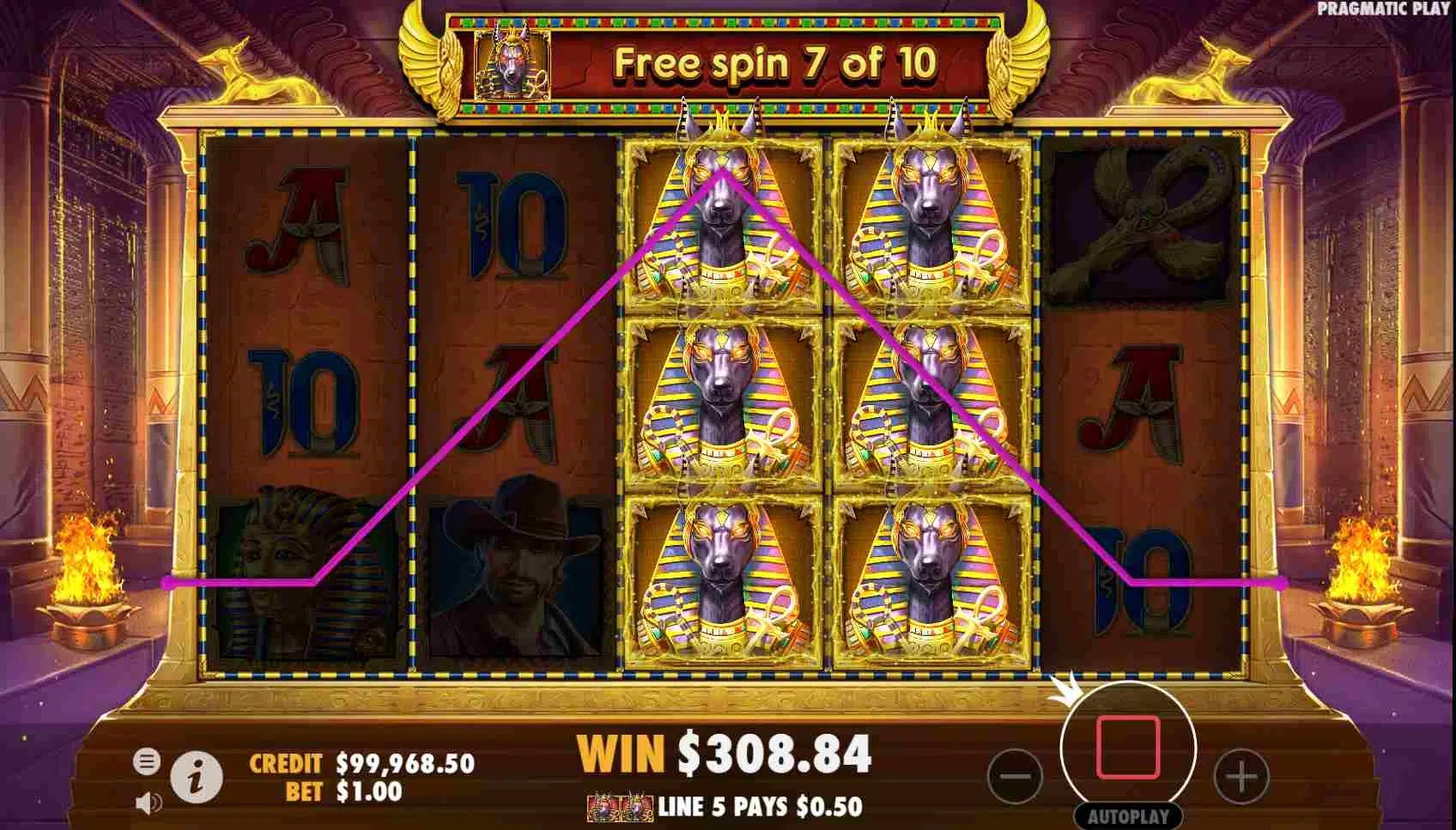
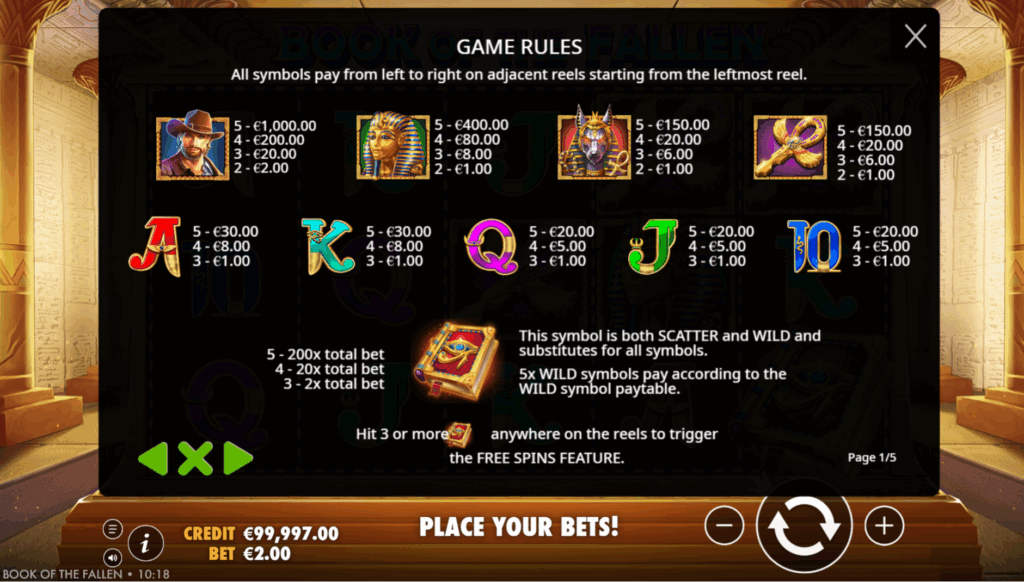
Imagine starting the first round and realizing after five spins: You know how to spin, but you don't understand why some hits seem small while others suddenly create excitement. This is precisely where it pays to briefly step out of the flow and read the game as a system: What regularly provides small feedback, what builds excitement, and what can noticeably turn a session around?

Many players skip the info view because they "don't feel like rules". Afterwards, stress arises when something happens that they cannot classify. A calm start is golden this year: two minutes of orientation, then a short test phase with a stable stake. This makes the session not boring, but plannable.

How A Round Works In Practice

Imagine playing on your phone between two appointments and just wanting a few rounds without much thought. Then the process is simple: choose your stake, spin, check hits, continue. But precisely in this simplicity lies the trap - you play faster than you realize and overlook how your account balance changes in small steps.

Therefore, start consciously: Take the first 10-20 rounds manually, observe the display for winnings and symbol explanations, and check if you can find the most important menus (settings, history, game info). If you already feel restless in these first few minutes, that's feedback: Either the stake is too high, or your session is too long for the moment.

A helpful trick: After the first test series, state the process in one sentence - "I spin, I see hits, I check the balance, I take a break." Sounds trivial, but it brings structure. Structure reduces impulse.

Volatility And Session Feeling

Imagine a quiet phase comes, and suddenly the session feels "tough". Many then react with speed: click faster, start autospins, increase stakes. Exactly this reaction makes the whole thing expensive, because you don't want to endure the fluctuations, but fight them.

Plan for fluctuations instead of pushing them away. Choose a stake that gives you enough rounds to get through a dry spell without every spin becoming emotional. And divide the session into blocks: one block, a short break, make a new decision. If you still want to play after the break, that's a good sign - then it's a choice, not a reflex.

The goal is not to "always stay calm," but to notice when you are no longer calm. From this point on, a break helps more than another spin.

H4 Autospins With A Short Leash

Imagine activating a long automatic series and casually watching the news. Suddenly the block is over, but the game continues. This is how sessions arise that, in retrospect, feel like a movie you didn't really watch.

If you use autospins, use them in short series and with clear stops. Consciously end the series, look at the time and budget, and only then decide whether to continue. A one-minute break between series is often enough to regain control. Especially on mobile, this small interruption is the simplest protection against "accidentally too long" this year.

H4 Stop Signs For Breaks

Imagine you notice you're clicking faster because you're annoyed. Or you catch yourself saying: "Just a little more, then it will definitely spin." These are stop signs, not motivation.

Take these signals seriously. Stand up, get water, check the timer, and only then continue - or end the session. If you want to increase your stake, only allow yourself to do so after a break, not in the middle of the emotion. This sounds strict, but often feels relieving because you're not constantly negotiating with yourself.

review image 2
Book of the Fallen

Bet Planning and Bankroll for 2026

Imagine you have a fixed fun budget and want to build a session from it that feels good. The most important decision is then not "how high can I go", but "how long do I want to play without getting nervous". The bet size depends precisely on this.

This year, it's particularly easy to push limits because deposits and game starts often only take seconds. That's why a simple plan is better than a perfect theory: stable bets, clear blocks, no reloading in the same session. If you stick to these three points, gambling won't turn into chaos, but entertainment with boundaries.

Setting Bet Size Without Chasing

Imagine you choose a bet size so high that you check your account balance after every spin. Then you're not playing, you're controlling - and that makes you uneasy. Instead, choose a level where you can last a block of rounds without every single round "counting".

A good approach is to think of the bet in terms of time: if you want to play for 20 minutes, you need a pace that doesn't eat up those 20 minutes in 3 minutes. Keep the bet stable so you can truly get a feel for the game. If you feel the need to change something after a short time, it's often a sign that the session is too long or the bet is too high - not that you need to "play smarter".

And don't be driven by the gut feeling "something has to come now". If you catch yourself doing this, taking a break is the right step.

Session Component

What It's About

Typical Mistake

Better Step

Bet Size

Control cost per round

Start too high, then get nervous

Start small, stay stable

Timeframe

Make session plannable

Play without a timer

Incorporate block + break

Reloading

Prevent impulse

Reload in the same session

One deposit per session

Autospins

Comfort without loss of control

Let series run too long

Short series, stop in between

Exit

Don't "play back" winnings

Keep spinning after excitement

Break after peak, then decide

Planning Timeframes and Blocks

Imagine you say "just for a moment" and later look at the clock: almost an hour. This doesn't happen because you're weak, but because you lack a clear stop. Therefore, plan blocks: for example, play one block, take a short break, then consciously decide.

The break doesn't have to be long. A glance at the timer and account balance is often enough. The crucial thing is to break the loop. If you want to continue playing after the break, do so within the same framework, not with new exceptions. This is precisely where an impulsive evening turns into a session that you control.

If you notice that you perceive every break as a "disruption", it's an indication that the game is currently taking up too much space. In that case, a longer break is advisable.

If You Want to Reload

Imagine you lose a few rounds and think: "I'll just reload a little, then it'll be fine." That's the classic entry into chasing losses. The feeling behind it is understandable, but the action is often costly.

Make it a rule: no reloading in this session. If the budget is used up, the session is over. If you want to play later, start on a different day with a new plan - or at least after a longer break during which emotions cool down. Many notice after ten minutes of distance that the impulse is gone.

If you notice that reloading keeps coming up, stricter limits or a timeout are the best investment in peace of mind this year.

Book of the Fallen

Top casinos for playing Book of the Fallen - current list

ALF Casino

ALF Casino

Mafia Casino

Mafia Casino

SG Casino

SG Casino

Retro Bet

Retro Bet

leovegas

LeoVegas

Book of the Fallen

Deposits, Withdrawals and Account Check

Imagine you're on a good run and want to finish cleanly, but suddenly an account step is missing. That feels like a brake, but it's often just a routine that's better done early. If you're playing in Austria, think "entry and exit" together: deposit planned, session limited, withdrawal as conclusion.

Payment methods are less about technology and more about behavior. A method that's too convenient makes reloading easy. A method that's too complicated makes ending difficult. The best way is usually the middle ground: clear, repeatable, controllable. And always with the note: 18+, responsibly, within applicable rules.

Choose Payment Method With Control

Imagine you can deposit in seconds and do it again just as quickly – without really noticing how it adds up. Then you need more structure, not more luck. Choose a method you understand and stick with it consistently, so your history and completion remain clear.

A good leverage point is “one deposit per session”. This reduces impulse without you constantly having to pull yourself together. If you want to play more later, that's a new decision, not a reflex. That's how entertainment remains easy.

If you already know that you are more impulsive on certain days, set limits in advance. This year it's easier to set boundaries while you are calm.

Withdrawal As A Completion Routine

Imagine you initiate a withdrawal and continue playing “in the meantime” because you stay in the mode. That's exactly how many people give back their winnings. Make withdrawal a clear conclusion: end session, start withdrawal, log out, do something else.

Do not send multiple requests in parallel. This rarely makes things faster but creates agitation. If a status is pending, note the time and message and wait instead of blindly clicking around. A calm conclusion is often worth more than a few extra spins in waiting mode.

If you notice that waiting makes you nervous, that's a signal: create distance, don't keep playing.

Verification Without Stress

Imagine you're asked to upload documents, but you're currently agitated because the session was intense. That's when mistakes happen: blurry photos, cut-off edges, contradictory information. It's better to complete such steps beforehand, when you are calm.

Pay attention to consistency: same spelling, same data, legible images. The fewer queries arise, the smoother everything will run later. And if you play in Austria, it makes double sense to complete this administrative part early - that way, playing time truly remains playing time.

If something is unclear, ask support specifically instead of guessing. Guessing often leads to further loops.

Contact Support Without Chaos

Imagine you write “it doesn’t work” and get a standard reply. That doesn’t help anyone. Write specifically: what you did, what you expected, what you see, plus time and status message.

Send one clear message, not five updates with new variations. That saves time. And very important: If you're annoyed, pause the game. Anger is the fastest way this year to impulsive deposits or unnecessarily long sessions. First solve the problem, then decide if you even want to play anymore.
review image 3

Responsible Gaming In Austria

Imagine you start out of habit - not because you feel like it, but because “it’s just there”. This is exactly where entertainment tips into automatism. Responsible gaming means that you consciously start, consciously stop, and use tools before things get difficult. And it means: 18+ only, within applicable rules.

This year, with mobile sessions and fast processes, many need more structure than before. Time limits, deposit limits, breaks, reality checks - these are not hurdles, but guardrails. If you set these guardrails, the session becomes easier, not harder.

Pay attention to motivation. Do you play because it's fun - or because you want to compensate for something? If it's about compensating, a break is usually the better decision. The most important win is not the highest hit, but the feeling that you have maintained control.

Tools: Limits, Time-Out And Self-Exclusion

Imagine that after a few sessions, you notice you're consistently playing longer than planned. Then it's not a question of “more discipline”, but of a better system. Set time limits so they are realistic, and link them to a break rule: after expiration, no “just a quick one”, but an end or a clear restart on another day.

Time-out is intended for normal situations, not just for extremes. If you notice you're becoming restless, chasing losses, or constantly wanting to reload, a short break is often the best reset this year. And if patterns repeat, a longer self-exclusion can be useful. This is not a failure, but a protection: playing should remain voluntary.

A small, effective everyday trick: log out after each session. That one extra second when logging back in creates a moment where you can ask: “Do I really want this now?” Often the answer is then clear.

FAQ

How do I correctly interpret the payout ratio?

It shows a long-term guideline over many rounds and is not a prediction for the next session. Use it to choose your stakes so that you can withstand fluctuations, and be particularly consistent with a timer and budget during short sessions.

How do I know if my stake is too high?

If you check your account balance after almost every spin, become restless, or want to spontaneously increase your stake, that's a strong signal. A good stake allows you to play a fixed block without every round becoming emotional, and without constantly thinking about reloading.

How do I prevent myself from continuing to play during a withdrawal?

Plan the conclusion as a clear process: end session, initiate withdrawal, log out, change activity. The “in the meantime” is the moment when winnings often disappear again because one remains in game mode and allows oneself new exceptions.

What helps with the urge to immediately recover losses?

Take a break and stick to the rule not to reload in this session. The urge often comes from emotion and weakens as soon as you interrupt the flow. If it recurs regularly, stricter limits or a time-out are the better solution.

Which mobile habits are most important in 2026?

Short blocks, clear breaks, and logging out after each session are most effective. Reduce distractions, don't play casually, and use device security features. The less autopilot, the easier it is to maintain control.

When is a time-out useful?

As soon as you notice that you are clicking faster, are irritated, or are breaking rules you set previously. A short break stops the impulse before it becomes costly and helps you make the next decision calmly again.

How do I write to support to make it faster?

State briefly and specifically: what you did, what you expected, what you see, plus time and status message. Avoid contradictory addendums. If you are angry, pause first - anger rarely leads to good decisions (18+).

Play Now
🇬🇧 English